
Indoor Basketball Court Installation in Houston, TX
Transform garages, basements, and commercial spaces into professional indoor basketball courts.
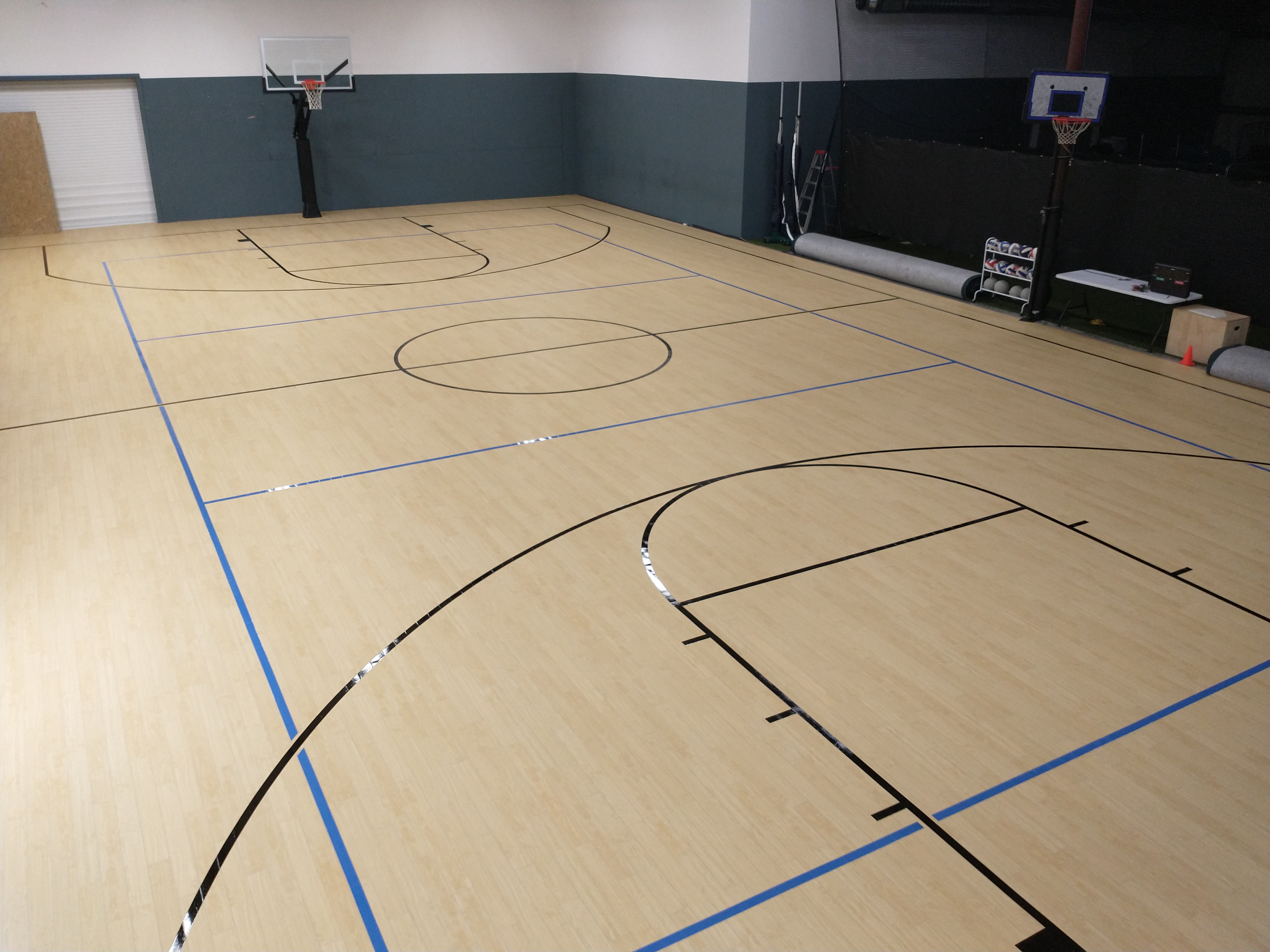
Professional Indoor Basketball Court Installation in Houston
Bring the game indoors with our specialized indoor basketball court installation services. We convert garages, basements, warehouses, and commercial spaces into climate-controlled basketball facilities with proper flooring, ventilation, lighting, and acoustic treatments. Our indoor courts feature premium hardwood or synthetic flooring systems designed for optimal bounce, shock absorption, and durability in enclosed environments.
Indoor Basketball Court Installation in Houston, TX
Imagine playing basketball in climate-controlled comfort regardless of Houston's sweltering summers, sudden thunderstorms, or occasional cold snaps. Indoor basketball courts transform underutilized spaces into year-round recreation destinations that add significant value to your home while providing unmatched convenience for practice, family fun, and fitness. Whether converting a garage, finishing a basement, or building a dedicated gym addition, professional indoor court installation creates a private basketball sanctuary perfectly tailored to your space, usage needs, and aesthetic preferences.
Space Requirements for Indoor Courts
Indoor basketball courts require careful space planning to accommodate safe, enjoyable play:
Minimum Dimensions: While a regulation full court requires 94 by 50 feet of clear space, most residential installations work with significantly smaller areas. A half-court setup with a single basket requires approximately 30 by 30 feet minimum for basic functionality, though more space improves playability significantly.
Ceiling Height: Ceiling clearance is the most critical dimension for indoor courts. Ten feet provides absolute minimum clearance, but 12-14 feet is strongly recommended to accommodate jump shots and player safety. Higher ceilings (16+ feet) allow for full-court play with lob passes and alley-oops.
Overhead Obstructions: Light fixtures, garage door tracks, HVAC equipment, and structural elements must be positioned or protected to prevent player contact. Recessed lighting, high-mounted garage door openers, and strategic HVAC routing maximize clear overhead space.
Wall Clearance: Adequate space beyond the court boundaries allows players to stop safely and provides room for wall padding installation. A minimum of 3-4 feet beyond the three-point line is recommended.
Garage Conversions: Standard two-car garages (typically 20-24 feet wide by 20-24 feet deep) can accommodate shooting practice and small-sided games but won't fit a full half-court. Three-car or oversized garages may accommodate regulation half-court configurations.
Basement Installations: Basements often provide generous floor areas, but ceiling height limitations frequently constrain basement court installations. Walk-out basements with higher ceilings offer the best basement court potential.
Dedicated Gym Buildings: Custom construction allows optimization of all dimensions for the ideal indoor basketball experience, though this represents the most expensive option.
Flooring Options
Indoor court flooring dramatically impacts play characteristics, comfort, and aesthetics:
Hardwood Flooring: Maple hardwood represents the gold standard for basketball flooring, providing the authentic rebound and feel players expect. Properly installed hardwood systems include a sub-floor suspension that provides resilience and shock absorption. Hardwood requires climate control to prevent expansion and contraction and represents the highest-cost option. For residential applications, engineered maple flooring offers improved stability with similar play characteristics.
Synthetic Sports Flooring: Polyurethane and vinyl sports surfaces provide excellent performance at lower cost than hardwood. These systems offer consistent ball bounce, good shock absorption, and customizable colors and graphics. Synthetic surfaces are more tolerant of climate variations and moisture than wood, making them practical for garage conversions where perfect climate control may be difficult.
Modular Court Tiles: Interlocking polypropylene tiles offer DIY-friendly installation, good drainage (important in garages where vehicles may bring in moisture), and moderate cost. Tiles provide adequate play characteristics for recreational use and can be removed if the space needs to return to original use. However, tiles don't match the performance quality of permanent hardwood or synthetic systems.
Epoxy Coatings: High-build epoxy systems can transform concrete floors into functional basketball surfaces. While lacking the resilience of suspended systems, epoxy provides a smooth, durable, and attractive surface at the lowest cost point. Additional cushioning layers can improve comfort.
Rubber Flooring: For multi-use spaces where basketball shares space with other activities like weight training, rubber flooring systems provide durability and versatility, though ball bounce characteristics differ from traditional basketball surfaces.
Climate Control and Ventilation
Proper environmental control ensures comfort and protects flooring investments:
Temperature Control: Indoor courts should maintain temperatures between 65-75°F for optimal comfort and flooring stability. Houston's heat makes air conditioning essential for year-round use.
Humidity Management: Humidity control is critical, especially for hardwood floors that can warp or buckle with moisture changes. Dehumidification systems maintain optimal 35-50% relative humidity levels.
Air Circulation: Ceiling fans improve air movement and comfort while helping maintain consistent temperatures throughout the space. Garage conversions may require enhanced ventilation to manage vehicle exhaust if the space continues to serve parking functions.
HVAC Sizing: The large volume of gym spaces and heat generated during play require properly sized heating and cooling systems. Standard residential HVAC may be inadequate for court spaces.
Insulation: Proper insulation in walls, ceilings, and garage doors improves climate control efficiency and reduces operating costs while enhancing comfort.
Lighting and Acoustic Treatments
Lighting Design: Indoor court lighting requires different approaches than outdoor courts. High-bay LED fixtures mounted at ceiling height provide uniform illumination without glare. Indirect lighting bouncing off light-colored ceilings can reduce harsh shadows. Dimmable systems allow adjustment for different activities. Light levels of 50-75 foot-candles support quality play.
Natural Light Considerations: Windows and glass garage doors provide natural light and connection to outdoors but require treatment to prevent glare and control heat gain from Houston's intense sun.
Acoustic Management: Basketball play generates significant noise from ball bouncing, squeaking shoes, and player activity. Acoustic treatments prevent sound transmission to other areas of the home and reduce echo within the court space:
- Wall Treatments: Acoustic panels or fabric-wrapped wall treatments absorb sound while providing protection and visual appeal
- Ceiling Treatments: Acoustic ceiling tiles or suspended baffles reduce echo in high-ceiling spaces
- Floor Cushioning: Resilient flooring systems reduce impact noise compared to concrete or rigid surfaces
- Door Seals: Properly sealed doors prevent sound transmission to adjacent living spaces
Wall Padding and Safety Features
Indoor courts require comprehensive safety protection:
Wall Padding: Foam padding on all walls protects players from collisions during aggressive play. Padding should extend at least 4-6 feet high and cover any structural columns or protrusions.
Goal Padding: Basketball goal posts require padding to prevent injury during contact, which is more frequent in confined indoor spaces.
Corner Protection: Wall corners pose particular hazards and should be protected with specialized corner padding.
Floor Transitions: Any level changes or transitions between court flooring and adjacent surfaces should be clearly marked and minimized to prevent tripping.
Emergency Equipment: First aid kits, fire extinguishers, and emergency exits should be readily accessible.
Popular Indoor Court Locations
Garage Conversions: Converting all or part of a garage is the most common residential indoor court approach. Garage courts provide convenient access, adequate ceiling height in many cases, and existing structural framework. Considerations include maintaining vehicle storage functionality, climate control challenges, and garage door sealing.
Basement Courts: Finished basements offer natural separation from living areas and typically generous floor space. Challenges include ceiling height limitations, moisture management, and emergency egress requirements.
Pole Barn and Outbuilding Conversions: Existing or new outbuildings can be converted to indoor court space, offering separation from the main residence and potentially generous dimensions.
Home Addition Courts: Building a dedicated gym addition allows complete customization of dimensions, features, and aesthetics, though at premium cost.
Barn Conversions: In rural Houston-area properties, barn conversions create dramatic indoor court spaces with character and generous volume.
Installation Considerations
Structural Assessment: Existing structures must be evaluated to ensure they can support basketball activity, including dynamic loads from jumping and running. Garage floors may need reinforcement, and ceiling structures may require enhancement.
Moisture Management: Concrete floors, particularly in garages, require vapor barriers and proper moisture management to protect flooring systems.
Electrical Service: Indoor courts typically require electrical service upgrades to accommodate lighting, HVAC, and any entertainment systems.
Permits and Codes: Indoor court installations may require building permits, particularly for garage conversions, electrical work, and HVAC modifications. Finished spaces must comply with building codes for occupancy, egress, and safety.
Professional Installation: Given the complexity of flooring systems, climate control, and safety requirements, professional installation is strongly recommended for indoor courts.
Transform Your Space Today
An indoor basketball court brings the joy of the game into your home, providing year-round recreation regardless of weather. Whether you're converting an existing space or building new, professional installation ensures a safe, high-performance court that enhances your home and lifestyle. Explore our outdoor court construction services for exterior projects, or learn about basketball hoop installation options for indoor systems.
Contact us today to discuss your indoor basketball court vision and receive a comprehensive consultation for your project.
What's Included
- Space assessment and planning
- Subfloor preparation
- Hardwood or synthetic flooring
- Shock absorption systems
- Indoor lighting design
- Ventilation and climate control
- Wall padding installation
- Acoustic treatment options
Key Benefits
- Year-round climate-controlled play
- Protection from weather elements
- Premium indoor play surface
- Customized space utilization
- Increased home value
- Professional facility feel
Frequently Asked Questions
How much space do I need for an indoor basketball court?
The space needed for an indoor basketball court depends on the level of play you want to accommodate. For a regulation full court, you need approximately 94 by 50 feet of clear floor space with ceiling heights of at least 16-20 feet—dimensions that typically require dedicated gym construction. Most residential indoor courts are half-court configurations that fit within existing home spaces. A functional half-court for shooting practice requires minimum dimensions of about 30 by 30 feet with 10-foot ceilings, though this provides very limited movement space. A more comfortable half-court setup with room for dribbling, layups, and small-sided games needs approximately 40-50 feet in length and 30-40 feet in width with 12-14 foot ceilings. Standard two-car garages (20-24 feet by 20-24 feet) can accommodate shooting practice and ball handling drills but won't fit a regulation half-court. Three-car or oversized garages, basements with generous footprints, or dedicated additions provide the best opportunities for indoor courts. Ceiling height is often the limiting factor—while 10 feet is the absolute minimum, 12-14 feet allows much more comfortable play. Professional assessment of your specific space can identify the maximum court configuration possible and recommend appropriate equipment and layout options.
What's the best flooring for indoor basketball?
The best indoor basketball flooring depends on your priorities for performance, budget, space usage, and installation constraints. Maple hardwood represents the gold standard for basketball flooring, providing authentic ball response, excellent shock absorption with proper sub-flooring, and the traditional appearance players expect. Engineered maple systems offer improved dimensional stability over solid wood, making them practical for residential applications where climate control may not be perfect. However, hardwood requires professional installation, consistent climate control (60-75°F, 35-50% humidity), and represents the highest cost option. Synthetic sports flooring using polyurethane or vinyl provides excellent performance at moderate cost, with good ball bounce, player comfort, and customizable colors. These systems are more tolerant of climate variations than wood and work well in garage conversions. Modular court tiles offer DIY-friendly installation, good drainage (beneficial in garages), and flexibility to remove the court if needed, though performance doesn't match permanent systems. For multi-use spaces, rubber flooring provides durability for various activities but differs from traditional basketball surfaces in ball response. In garage applications where vehicles may still use the space, epoxy coatings with cushioning layers provide practical, durable surfaces at lower cost. Professional consultation evaluates your specific space, usage, and budget to recommend optimal flooring solutions.
Can you convert my garage into a basketball court?
Yes, garage conversions are one of the most popular approaches for residential indoor basketball courts, and most garages can be successfully transformed into functional indoor court space with proper planning. Two-car garages typically provide enough space for shooting practice, ball handling drills, and small-sided games, while three-car or oversized garages may accommodate near-regulation half-court configurations. Key considerations for garage conversions include ceiling height—standard garage ceilings of 8-9 feet severely limit play, while higher ceilings (10+ feet) make much more functional courts. Overhead garage door tracks, openers, and lighting fixtures often reduce clear height and may need modification. Climate control is essential in Houston's climate—garages require heating and cooling systems, insulation, and proper air sealing to create comfortable year-round spaces. Flooring installation over concrete slabs requires moisture management and appropriate underlayment systems. Wall and goal padding protect players from garage structural elements. Lighting upgrades provide adequate illumination for play. Depending on the scope of work, garage conversions may require building permits, particularly for electrical, HVAC, and structural modifications. The decision to maintain vehicle parking functionality affects design choices—some homeowners convert the entire garage, while others create convertible spaces that can serve both purposes. Professional assessment determines the optimal court configuration for your specific garage dimensions and discusses options for climate control, flooring, and safety features.
Related Services
Basketball Court Design
Custom basketball court design services tailored to your space, budget, and playing style in Houston, TX.
Basketball Court Construction
Complete basketball court construction from ground preparation to final surfacing in Houston, TX.
Basketball Court Resurfacing
Restore worn basketball courts with professional resurfacing, crack repair, and new coating systems.
Ready to Get Started?
Contact us today for a free consultation and quote for your indoor basketball court installation project.